
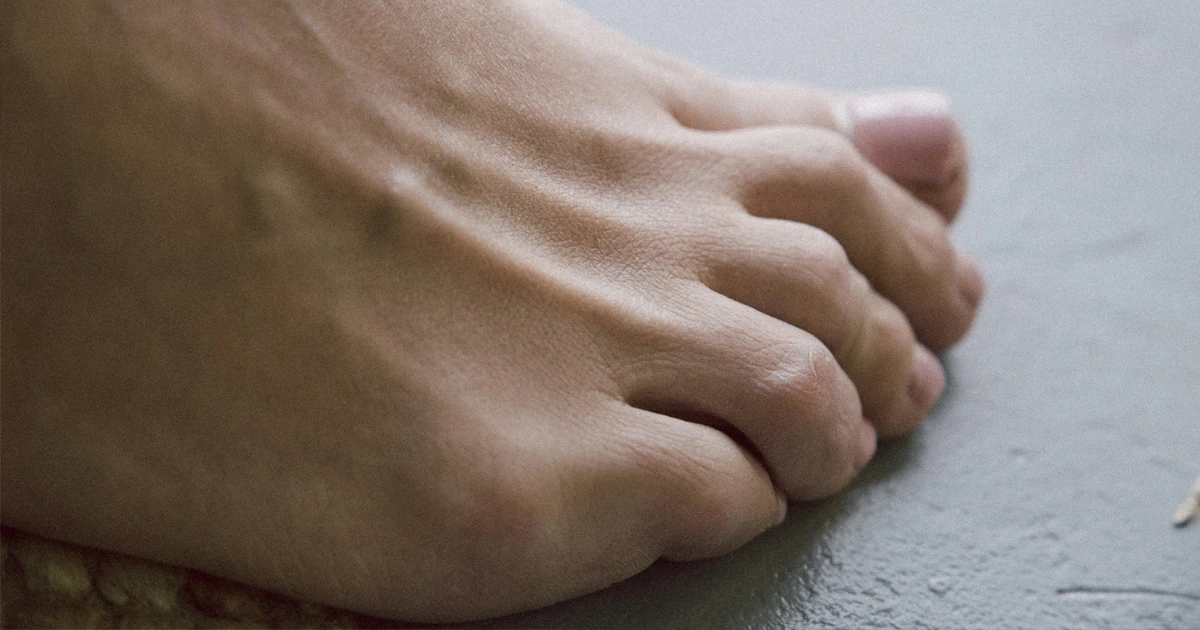
When Does a Bent Toe Require Surgery? A Surgeon's View on Timing
Most people don’t walk into the office asking about surgery. They come in wondering if their new shoes will stop the toe from getting worse. That’s a concern but it’s usually not the right question by the time they’re sitting in the chair.
Here's the honest answer. It's not really about how long the toe's been bent. It's about whether it still moves the way it should. Can you straighten it with your hand, even if it takes some effort? Then it's still flexible, and that's a different animal entirely from a toe that's locked in place and won't respond to anything but surgery.
Flexible versus rigid. That's really the whole question when deciding whether a hammertoe needs fixing. While the joint's still moving, non-surgical options genuinely help. Wider shoes. Toe splints. Taping, or just changing how someone walks. Any one of those can keep things under control for a while.
Once the joint stiffens and the bend becomes fixed those same measures no longer do much more than ease discomfort. The deformity has become structural. The body can no longer adjust around it.

Pain Is Not the Sign
A toe can be severely bent and cause almost no pain. Another toe that looks slightly crooked can make walking miserable. Pain matters for how someone feels day to day. It’s not the main reason to consider surgery. What really counts is function. Does the toe rub against shoes hard enough to break the skin? Is it pushing into the toes next to it? Has it stopped responding after a try at conservative care?
Skin breakdown over a joint is one of the clearer signs that watching and waiting has failed. When corns or calluses form repeatedly and start breaking down the skin that’s not something a wider shoe can fix reliably.
What a Real Trial Looks Like
Before surgery makes sense there should be an attempt at non-surgical treatments—not just trying them briefly. It means wearing fitting shoes every day not just for special events. It means using toe splints or padding instead of putting them away after a week. It means giving the treatment time— months—not weeks—to see whether progress stops or continues.
Key elements of a trial include:
- Footwear with enough width and depth in the toe box to avoid pressure
- Padding, taping or splinting to reduce friction and support the toe
- A follow-up appointment to check if the toe remains flexible or is becoming fixed
- Looking at what else might be contributing, such as how the adjacent toes or forefoot are working
If the trial fails—meaning pain keeps coming back skin keeps breaking down or the joint continues to stiffen despite doing all the right things—then surgery isn’t a last resort anymore. It becomes the sensible next step rather than a delay.
Why Waiting Too Long Makes Things Harder
Waiting too long on a rigid deformity has a real cost. Once the joint locks into place, correcting it surgically gets more complicated than it would've been earlier on. The procedure itself doesn't actually get riskier. It's the approach that changes. A toe that still responds is simply an easier fix. A rigid one often needs stronger techniques, sometimes fusing bone, and that's a bigger deal. Recovery takes longer. Aftercare gets more involved too.
None of this means every bent toe needs a surgeon the second it starts curling. It means once non-surgical methods have had a real chance and still aren't helping, a specialist opinion beats guessing from home. Even when the answer's "not yet," getting checked early tends to pay off in the long run.
Not every hammertoe needs surgery, but the ones that do shouldn't wait.
Once a hammertoe becomes rigid, no amount of wider footwear will straighten it. Mr Goldbloom offers a full range of treatment options, from footwear and splinting through to surgical correction, tailored to the stage of your deformity and your goals.
To book a consultation with orthopaedic foot and ankle surgeon, Mr Goldbloom, please call 03 9650 0534
